The Chicago Streets I Never Get Tired Of
By Emily Sachs Wong, Broker, @properties Christie's International Real Estate
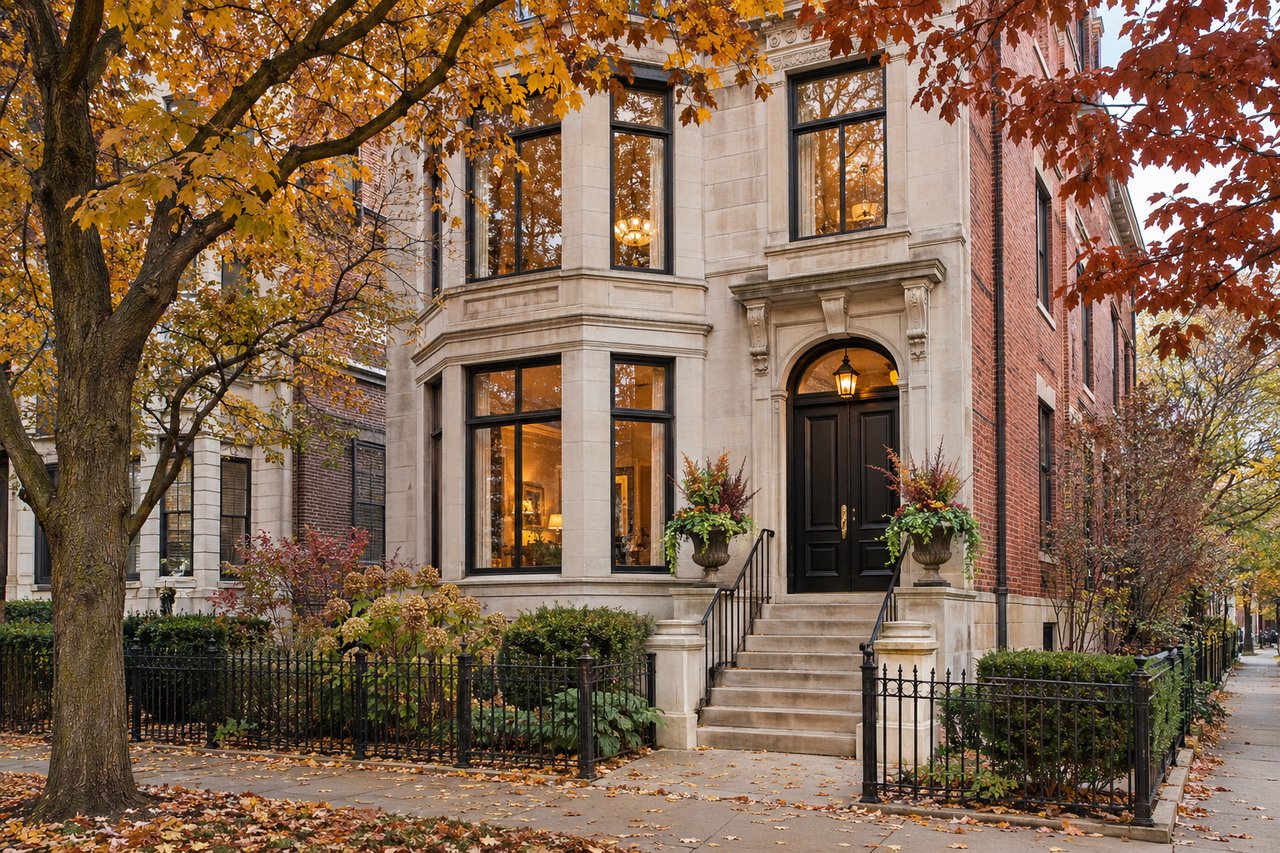
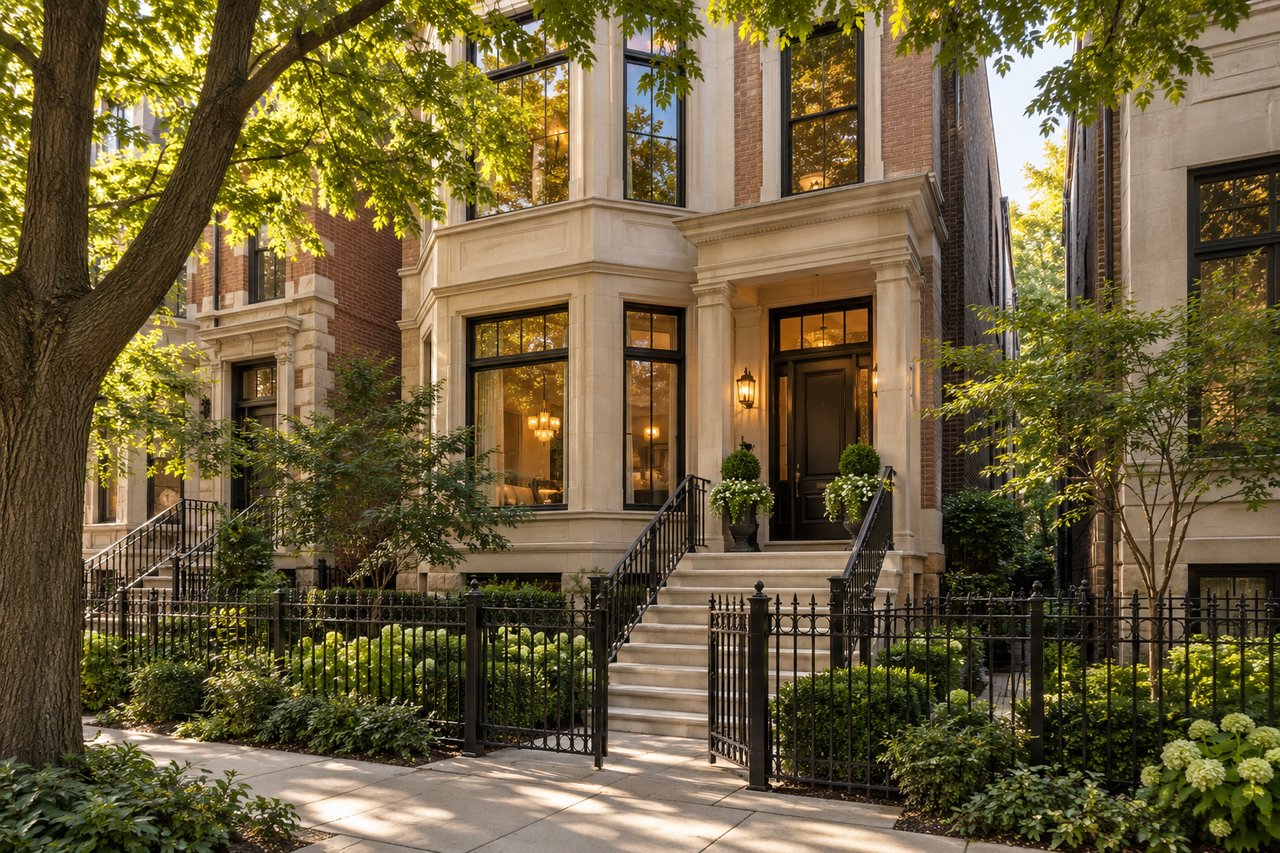
After more than 28 years of helping people find homes in this city, I've noticed something: Ask a Chicagoan where they'd most love to live, and the best answers often start with a street, not a neighborhood. Ask Emily, and you will find that makes perfect sense to me. Chicago was built block by block, and decisions that were made more than a century ago still shape how a street feels when you walk it today. While the housing stock may be different, the vibe still remains.
I live in Lincoln Park, and my kids went to school here, so many of these blocks are part of my everyday life, not just my business. These are five streets I never get tired of, and they explain why someone can have all of Chicago to choose from and still know exactly which block they want to call home.
Astor Street, Gold Coast
Few addresses in the city give you what Astor does. Stand at its north end on North Avenue and Lincoln Park is right across the street. The lake is to the east, and the shops and restaurants around Oak Street are an easy walk south.
In between is a residential district that took shape over more than sixty years. Nineteenth-century mansions sit beside early twentieth-century apartment buildings, so every block has its own silhouette, yet the scale of the old neighborhood holds together beautifully. That's what makes Astor so special to me: everything is right at your doorstep. A walk to dinner takes you past a century of classic Chicago architecture, and the next morning, the same front door takes you straight to the lake.
Kenmore Avenue, Lincoln Park
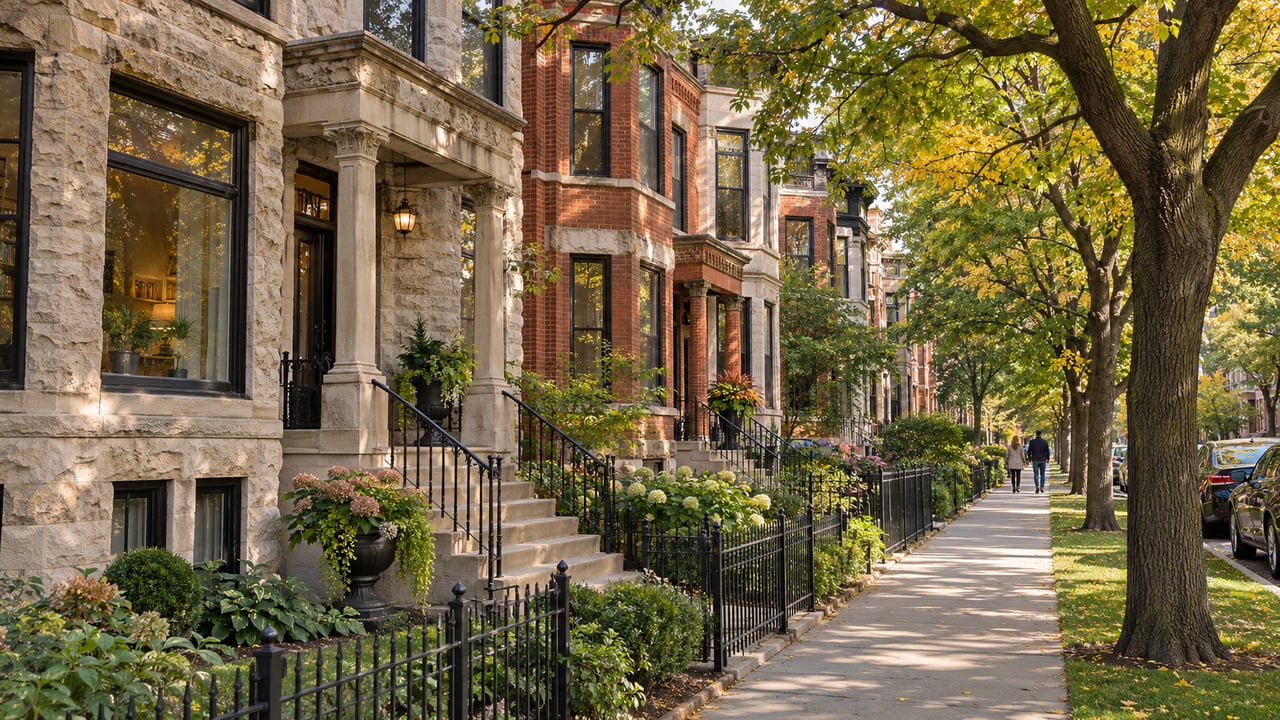
I love how naturally the stretch of Kenmore between Armitage and DePaul fits into the neighborhood around it. At the south end, Armitage's nineteenth-century storefronts are still doing what they were built to do, with shops at street level and apartments above. Turn north onto Kenmore and the shop windows give way to gorgeous greystones and mature trees. Up around Webster and Belden, DePaul's campus brings its own energy.
What makes it work is how close all three are. You can grab coffee, browse on Armitage or head toward campus, and be back on a quiet, leafy street within minutes.
Mohawk Street, Old Town Triangle Proper
On Mohawk, you can actually see Chicago's post-Fire history in the spacing of the front doors. Builders working with narrow lots in the 1870s put up a run of brick two- and three-flats just north of North Avenue. Farther up, near Eugenie and Menomonee, Italianate and Queen Anne homes add variety, but the buildings stay close enough together that the sidewalk feels wonderfully intimate.
That scale is a big part of Mohawk's charm. North Avenue is accessible right there when you need it, and the neighborhood's little parks, including Bauler Park and Hudson Chess Park, give an ordinary evening walk somewhere to go.
Burling Street, Lincoln Park
Burling is one of my favorite streets because it changes character in just a few blocks. The 1900 block is known for generous lots that give the architecture room to breathe. Farther north, between Webster and Belden, are ten Italianate row houses built in 1875 by architect Edward Burling, the man the street is named for. All ten share a single continuous wood cornice, which is remarkably rare for homes of that age. Stand across the street and you can see that the row was designed as one composition, right down to the even line of the façades.
Having both stretches on one street is what makes Burling so distinctive. And for the people who live there, there's a practical bonus: Halsted is close enough to walk to dinner, with Burling's quieter blocks just around the corner.
Greenview Avenue, Lakeview
North of Irving Park Road, Greenview runs through Graceland West, where deep front yards and broad porches leave room for real gardens between the homes and the sidewalk. That feeling of space goes back to how the neighborhood was laid out. The area was developed in the late 1880s and early 1890s, and several streets that meet Greenview still have historic setback lines that keep buildings well back from the curb. I sold a fabulous home here 24 years ago that my clients still live in, and the location still draws me in.
For buyers who want room around them but still want to live on foot, that's a meaningful difference. You can spend the evening along Southport and come home to a street where the gardens are as much a part of the scenery as the architecture.
Why These Streets Stay With You and Why Everyone Wants Them
What makes these streets worth living on is how naturally they fit into a day, from a morning walk to the lake to dinner around the corner. Over time, a familiar roofline or the turn onto a tree-lined block becomes the part of the walk that tells you you're almost home.
If one of these streets is on your list, or you're wondering which block might be right for you, I'd love to show you around.
-Emily Sachs Wong